Please click on the word “comment” (in Bold) below to post your information about mining & exploration in the UP.
Author Archives: Save the Wild UP
Legal/Legislative Category
Please click on the word “comment” (in Bold) below to post your information about legal/legislative issues concerning the UP.
Great Lakes/ Water Issues Category
Please click on the word “comment” (in Bold) below to post your information on the Great Lakes or Water Issues in the UP.
Events/Public Meetings Category
Please click on the word “comment” (in Bold) below to post information on events or public meetings.
Bright Ideas Category
Please click on the word “comment” (in Bold) below to post your Bright Idea.
No funds left for clean-up
From the Muskegon Chronicle (2/9/08)
“LANSING — The state Department of Environmental Quality has run out of money for toxic-site cleanups and brownfield-redevelopment projects.
“That’s not good for public health and the environment and municipalities that want to reinvigorate contaminated areas in their community,” DEQ Director Steven Chester said.”
Join the Great Backyard Bird Count
February 15-18 is the annual Great Backyard Bird Count (GBBC).
The GBBC is an annual four-day event that engages bird watchers of all ages in counting birds to create a real-time snapshot of where the birds are across the continent. Anyone can participate, from beginning bird watchers to experts. It takes as little as 15 minutes. It’s free, fun, and easy—and it helps the birds.
Rob Fergus, senior scientist with the National Audubon Society explains;
“The Great Backyard Bird Count is a great excuse to have a bird party! No matter what kind of organization you are in, you can use the GBBC to introduce people to birds. Have a 15 minute bird count from the windows at your office and invite your office mates. Take a child or grandkid out for a birdwalk. And if you run a nature center, birding store, or other bird-related organization or business, feel free to use the GBBC to shamelessly promote your own bird-related programs. ”
How to participate:
It’s as easy as 1, 2, 3!
1. Plan to count birds for at least 15 minutes during February 15–18, 2008. Count birds at as many places and on as many days as you like—just keep a separate list of counts for each day and/or location.
2. Count the greatest number of individuals of each species that you see together at any one time, and write it down. (You can get regional bird checklists here.)
3. Enter your results through our web page.
Have Fun and enjoy The WILD U.P.!
Great Lakes Blogger Article
Dave Dempsey shares his reaction to the DNR decision on the Kennecott Land Use Lease and Mining and Reclamation Plan in the Great Lakes Blogger
Remembering Roscoe:Grandfather of WI’s Anti-mining Movement
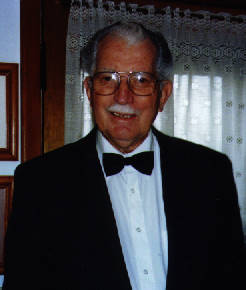 February 9th marked the one year anniversary of the death of Roscoe Churchill, the grandfather of Wisconsin’s grassroots anti-mining movement. Folks in the UP may know Roscoe better as the author of that really big book, “The Buzzards Have Landed!”
Recently, Laura Furtman, Roscoe’s co-author of “The Buzzards Have Landed!”, sent an e-mail commemorating the death of Roscoe. This e-mail came at a time when many people in the Michigan anti-metallic sulfide mining movement recently took a hit with the DNR’s decision to approve Kennecott’s reclamation permit and landuse lease. Remember…It’s not over til its over.
All of our letters to the DNR did help make the land use lease more difficult for Kennecott. The company cannot begin mining until all contested case hearings have concluded. Also, we still have a chance to send letters to the Environmental Protection Agency to try to halt their approval of Kennecott’s Underground Injection Permit. There are a number of avenues we can still take as a community to stop this mine. Let’s put our heads together, keep fighting, and lay the Eagle Project to rest as Wisconsin did with the Crandon mine.
Opinion from Minnesota
This letter to the editor was published at www.startribune.com
State should say no to sulfide mining. That is the question being asked by many people across the state. At this moment the Minnesota DNR and the Army Corps of Engineers are creating an environmental impact statement on a new type of mine being proposed for northern Minnesota just 20 miles from the Boundary Waters Canoe Area, and 50 miles from Voyageurs National Park.
This is not your typical iron ore mine. This is a mine that contains, among its copper, nickel, platinum and silver, significant deposits of sulfide. The sulfur in the resultant mine tailings could leach off into the surface and ground water, creating streams and creeks that flow with unearthly colors of yellow and red.